
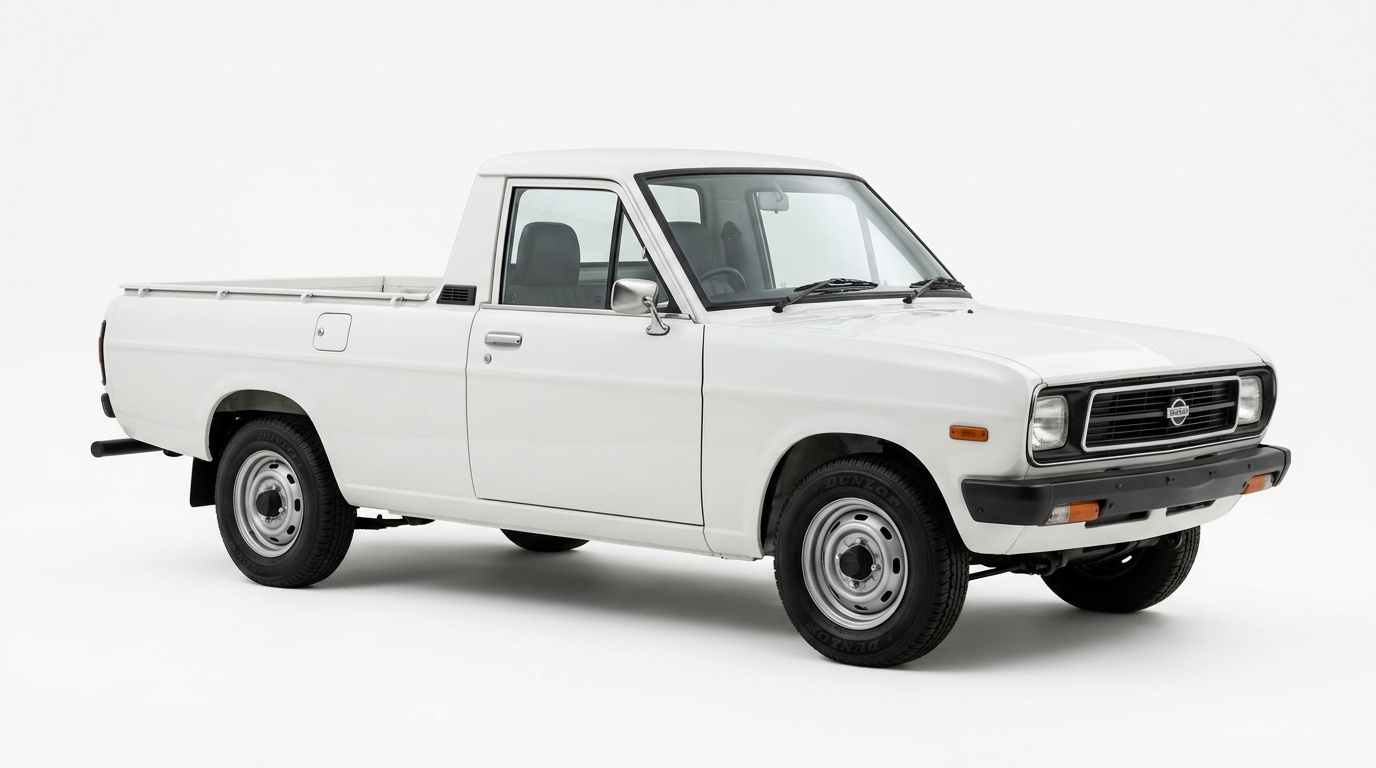



Nissan NP200 (2008-2024). Need a part? Browse used Nissan NP200 parts or get a quick WhatsApp quote.
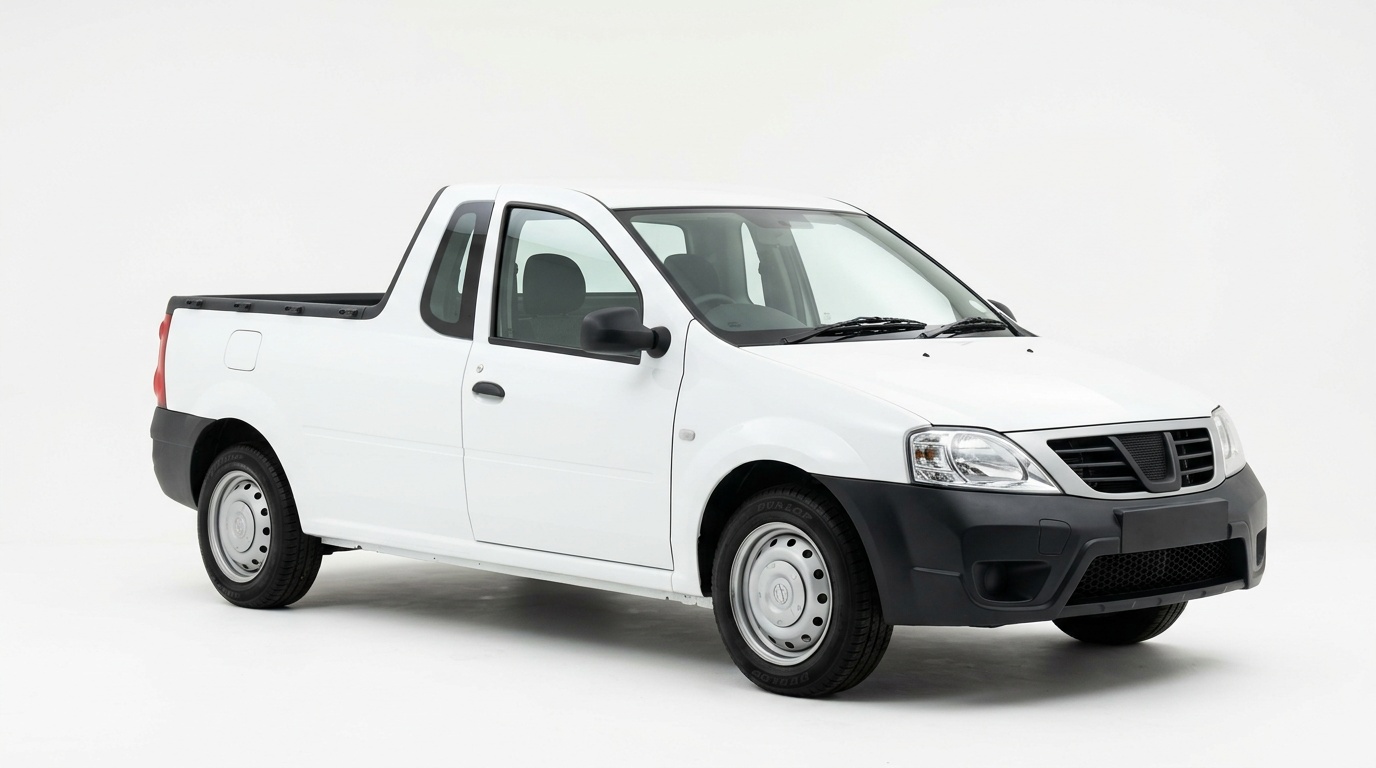
The Nissan NP200 1.5 dCi is one of the most fuel-efficient bakkies ever built — 5 to 6 L/100 km on the open road from a half-ton workhorse is a genuinely impressive figure. The catch is the engine. The K9K 1.5 dCi (a Renault-Nissan unit shared across the Renault Clio, Megane, Kangoo, Logan, Duster and others) is unforgiving of neglect. When it fails, owners face a real decision: rebuild, or swap in a used engine?
This is the honest decision framework based on what we see come into the yard.
The K9K’s typical failure modes
The K9K 1.5 dCi has a small handful of recurring problems, and they are repeatable enough that most diesel specialists in SA know them by heart.
1. Injector failure (the most common headline issue). The Delphi or Siemens common-rail injectors are sensitive to fuel quality and contamination. When one starts to fail you get:
- Rough idle, especially when cold
- Loss of power
- White or grey smoke under load
- Hard starting from cold
- In severe cases, “dieseling” — runaway combustion as fuel leaks past a stuck injector
A single replacement injector in SA is R3,500 to R6,500 fitted depending on which brand and where you go. Best practice is to replace all four together — they wear at similar rates, and a fresh injector working alongside three tired ones rarely runs smoothly.
2. Turbocharger failure. The K9K’s turbo is a small, high-spinning unit that depends absolutely on clean oil and complete oil supply. The fastest path to a destroyed turbo is:
- Stretched oil intervals (the K9K specifies 10,000 km but in dusty SA conditions and short trips, 7,500 km is more honest)
- Short trips that never let the turbo bearing reach proper operating temperature
- Switching the engine off immediately after sustained high-load running
Symptoms of a dying turbo: blue smoke, whining noise that changes pitch with revs, oil in the intercooler pipework, loss of boost, limp-home mode. A new K9K turbo is R8,500 to R14,000 in parts; refurbished or used is R3,500 to R6,500. Labour adds R2,500 to R4,500.
3. Swirl flap / EGR carbon build-up. Carbon clogs the intake manifold over time, especially on trucks that do mostly short urban trips. Eventually the engine refuses to make full power. A manifold clean is R2,500 to R5,000.
4. Injector seal failures (very common at high mileage). Diesel “blow-by” past failed copper injector seals leaves carbon deposits on the head around each injector — recognisable as a black soot ring. If left, this seizes the injector into the head and turns a R6,000 job into a R20,000+ one. This is the issue to act on early.
5. Timing belt failure (interference engine, like most modern diesels). The K9K is interference. Service interval is typically every 90,000 to 120,000 km, but conservative practice in SA is 80,000 km because of conditions. A snapped belt usually destroys valves and pistons.
Warning signs you can act on
Before a major failure, the K9K typically shows:
- Black smoke under acceleration — injector overfuelling, EGR or air mass meter
- White smoke at idle, especially cold — failing injector or worn injector seals
- Blue smoke on overrun or restart after a stop — turbo seal leakage
- Knocking that gets louder when warm — internal damage, often from prior fuel or oil starvation
- Oil consumption climbing — turbo bearing leaking oil into the exhaust path, or worn bores
- Carbon ring forming on the head around any injector — failing injector seal. Address before it costs more
- Hard starting from cold — glow plug or injector
- Persistent limp-home / engine management light — fault stored, get it scanned
If you see two or more of these together, the engine is telling you something.
Rebuild costs in SA (typical, 2026)
For a competent diesel specialist in Joburg or Cape Town, on a K9K that has not yet suffered catastrophic damage:
| Job | Typical cost (parts + labour) |
|---|---|
| Full set of injectors (refurbished) | R14,000–R22,000 |
| Full set of injectors (new OEM) | R26,000–R40,000 |
| Turbo (refurbished) + fitting | R7,000–R12,000 |
| Turbo (new) + fitting | R12,000–R18,000 |
| Top-end overhaul (head off, valves, gaskets, no injectors) | R18,000–R28,000 |
| Full engine rebuild (bottom end + head + ancillaries) | R45,000–R75,000+ |
| Timing belt + water pump + tensioner kit | R4,500–R7,500 |
Add R2,500 to R5,000 if the engine needs a manifold and EGR clean as part of the work.
Used engine swap — the alternative
A complete second-hand K9K engine (long block with ancillaries) sourced from a running donor vehicle:
- Used K9K long block — typically R22,000 to R38,000 in SA, depending on mileage and condition. We carry used NP200 engines regularly, often complete with turbo and injectors.
- Fitting — R6,500 to R11,000 labour, plus a clutch kit if the existing one is worn (R4,500 to R7,500 for a clutch).
- Total — typically R32,000 to R55,000 all-in for a fully fitted, running used engine, with a short warranty from a reputable supplier.
When to rebuild vs replace
A practical decision framework:
| Situation | Best route |
|---|---|
| One injector failed, rest healthy, 80,000 km on engine | Replace single injector (and seals), keep engine. R6k–R8k |
| All four injectors tired, no other issues | Full injector set, refurbished. R14k–R22k |
| Turbo failed, engine otherwise healthy | Refurbished turbo + clean inlet. R7k–R12k |
| Top-end damage but bottom end sound | Top-end overhaul. R18k–R28k |
| Bottom-end knock, oil consumption, age | Used engine swap. R32k–R55k |
| Catastrophic failure (snapped belt, hydrolocked, seized) | Used engine swap, almost always |
| Truck is rare spec or has sentimental value | Rebuild, regardless |
| Truck is a working vehicle and downtime matters | Used engine swap — quicker turnaround |
Expected lifespan after either route
A used K9K from a running donor vehicle, properly fitted, with strict servicing thereafter, will routinely cover another 100,000 to 200,000 km. A full rebuild can do better — if it was done well — but that is a big “if”. The reality on a 12+ year-old workhorse is that a used engine, fitted by someone who knows the K9K, is the more economical and lower-risk route in most cases.
What we have in stock
We typically have used K9K engines on the shelf, plus injectors, turbos, and full top-end kits. If you are weighing rebuild vs replace and want a quick honest quote on both routes, send the truck’s VIN and current mileage on WhatsApp and we will come back with current stock and pricing within a couple of hours. Or request a quote here.
Last updated: 2026-05-08
Need a part for your Nissan NP200? Send us the VIN and what you're after — we usually quote within 2 hours.