
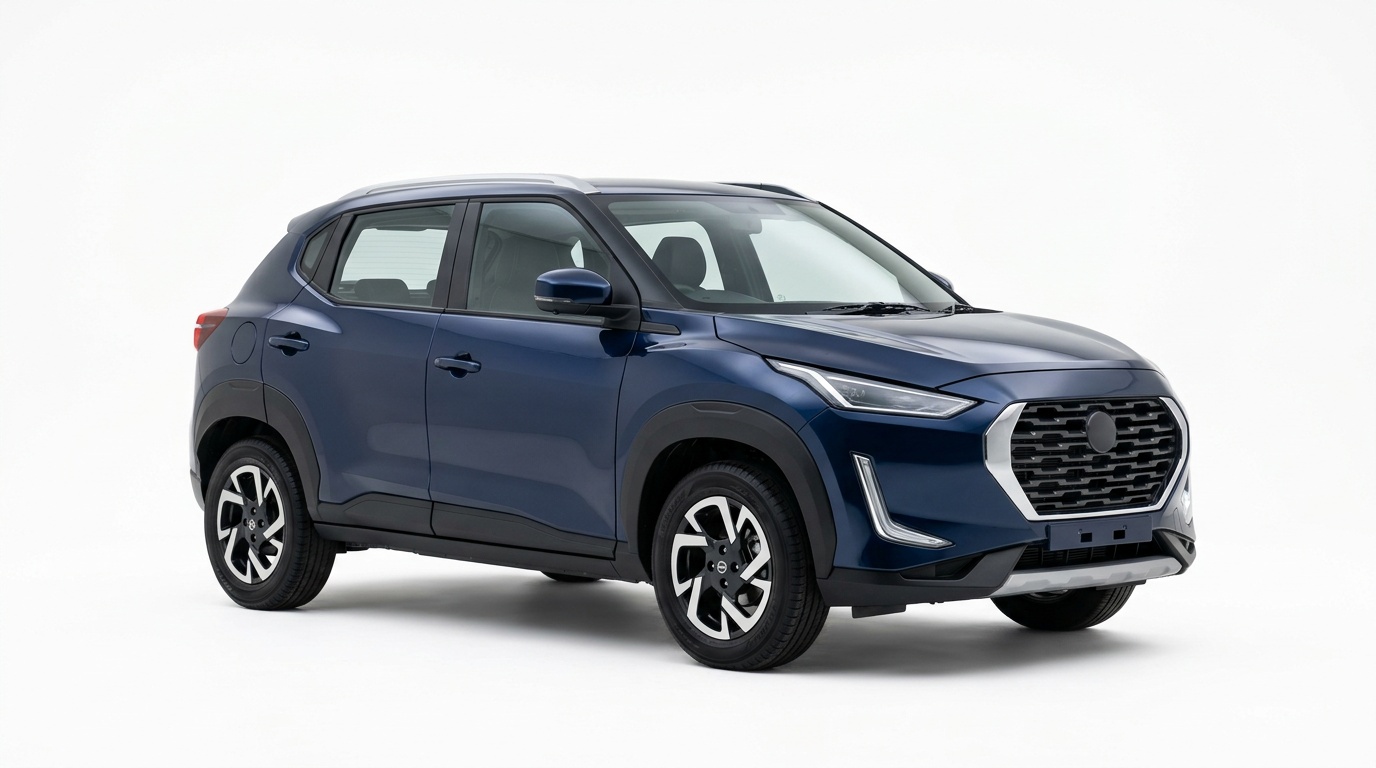


Nissan Qashqai (2007-present). Need a part? Browse used Nissan Qashqai parts or get a quick WhatsApp quote.
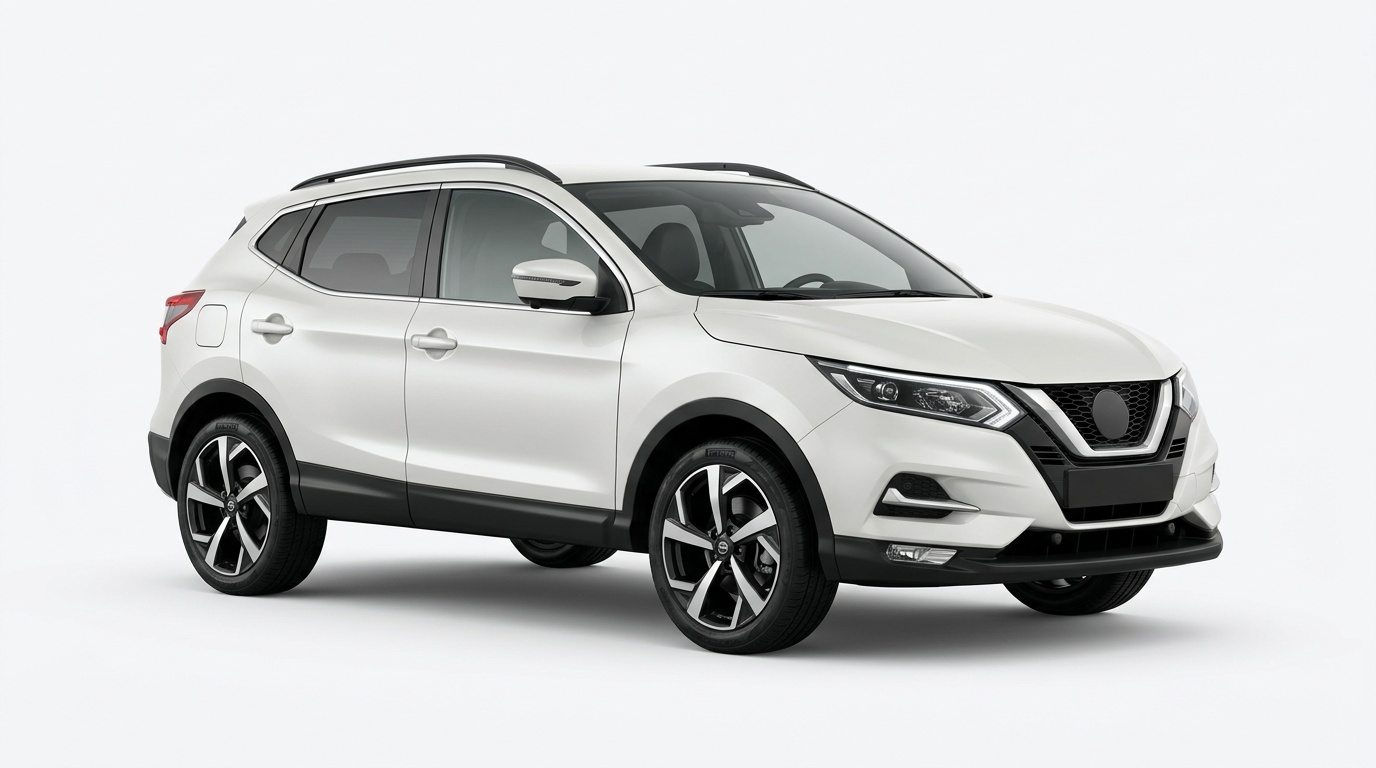
The Nissan Qashqai is one of the most common family crossovers on South African roads, and for the petrol and most diesel automatics, the gearbox bolted behind the engine is a CVT — a continuously variable transmission built by Jatco. It is also, by a wide margin, the single most expensive thing that can go wrong with the car. When a Qashqai owner phones us about a shudder at pull-off or a car that suddenly drops into limp mode on the N1, nine times out of ten the conversation is about the CVT.
This guide explains which CVT your Qashqai has, what actually fails, what the warning signs mean, and how to think about the rebuild-versus-replace decision honestly — without being talked into a R45,000 repair on a car that does not warrant it.
Which CVT is in your Qashqai?
There are two distinct Qashqai generations in South Africa, and they use different Jatco units. Knowing which one you have changes everything about the diagnosis and the cost.
| Generation | SA years | Engines (auto) | CVT unit |
|---|---|---|---|
| J10 (first gen) | 2007–2015 | HR16 1.6 / MR20 2.0 petrol; K9K 1.5 & R9M 1.6 dCi diesel | Jatco JF011E |
| J11 (second gen) | 2014–2021 | 1.2 & 1.6 DiG-T petrol; R9M 1.6 dCi diesel | Jatco JF015E (1.2/1.6 petrol) / JF016E (2.0 petrol & 1.6 dCi) |
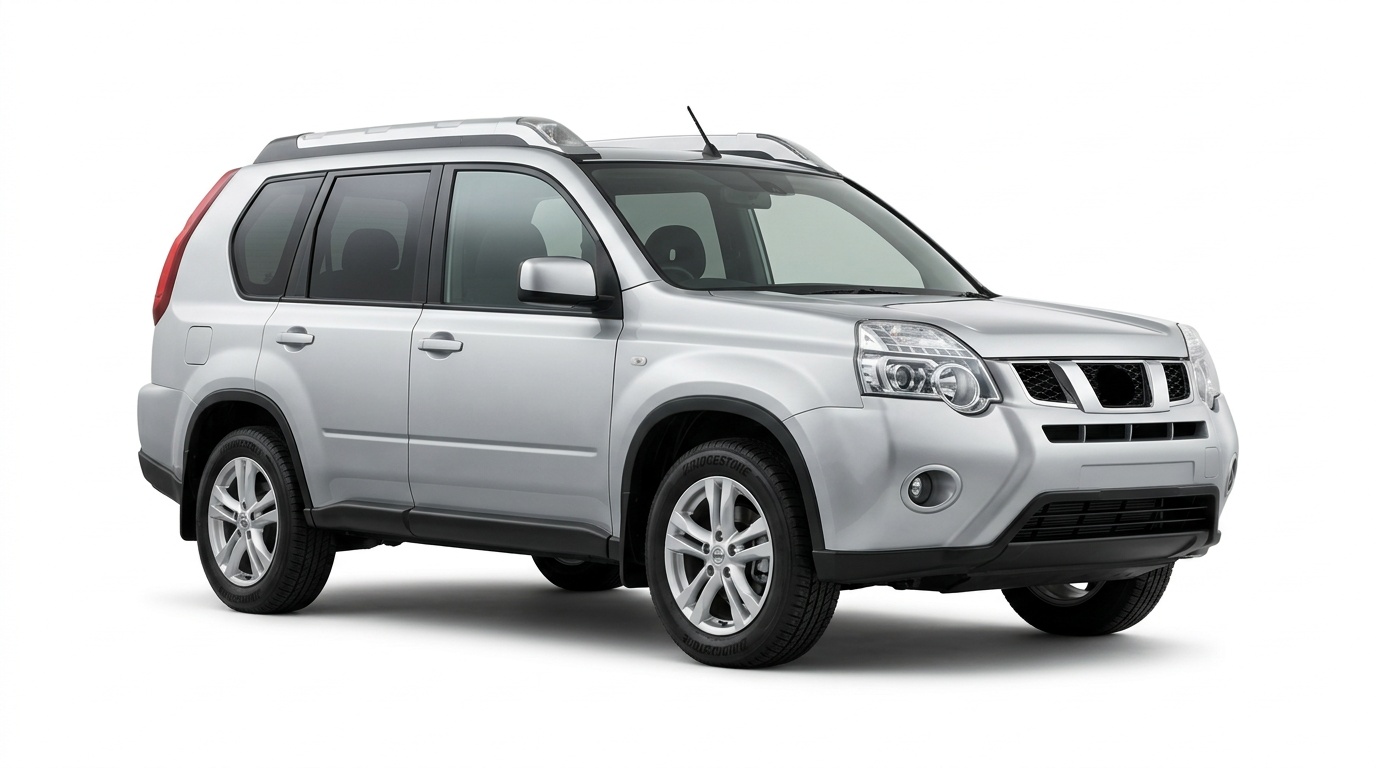
The JF011E in the J10 is the same generation of CVT fitted to the X-Trail T31 — a well-understood, widely serviced unit. The J11 moved to the newer Xtronic CVT8 family (JF015E and JF016E), which is mechanically more refined but introduced its own valve-body weak spot.
Not every Qashqai is a CVT. The 1.2 and 1.6 DiG-T petrols and the diesels were also offered with a 6-speed manual, and a manual Qashqai sidesteps this entire article. If you are buying used and reliability is your priority, the manual is the safer long-term choice.
The symptoms — and what each one means
CVT trouble rarely arrives without warning. The failure modes are consistent across both Jatco units:
- Shudder or judder at pull-off — a vibration through the floor as the car moves from standstill, often worse when cold. Usually the first sign. On the JF016E it frequently traces to the valve body and worn pressure-control circuits; on the JF011E it is often the start of belt-and-pulley glazing.
- Hesitation or “rubber-band” surging — engine revs climb but road speed lags behind, or the car surges unevenly under steady throttle. A sign the belt is slipping on the pulleys.
- Whining or droning that rises with road speed — bearing or pulley wear inside the unit.
- Jerky or delayed engagement when shifting from P or R into D — pressure loss in the valve body or a failing solenoid.
- Limp mode / warning light — the transmission control module has detected a fault (often over-temperature or a pressure fault) and locks the car into a reduced-power, fixed-ratio safe state. This is the unit protecting itself. Do not keep driving it hard.
A burnt smell from the CVT fluid, or fluid that is dark brown rather than its original translucent green, tells you the unit has been overheating and the fluid has broken down. That is the moment damage accelerates.
The one thing that prevents most of this: fluid service
The Qashqai CVT is far more sensitive to fluid condition than a conventional automatic. CVT fluid (Nissan NS-2 for the JF011E, NS-3 for the JF015E/JF016E — they are not interchangeable) carries the clamping pressure that keeps the steel belt gripping the pulleys. As it ages and overheats, that grip weakens, the belt starts to micro-slip, and the slipping generates more heat in a downward spiral.
Nissan’s official line was once “fill for life”, which is part of why so many Qashqai CVTs failed early. The realistic SA service interval, especially in our heat and stop-start city traffic, is every 60,000 km — non-negotiable. A car that tows, sits in Joburg or Cape Town traffic daily, or lives in a hot climate should be closer to 40,000–50,000 km.
If you have just bought a used Qashqai with no CVT service record and it is shifting cleanly, a fluid-and-filter service is the cheapest insurance you can buy. If it is already juddering badly, a fluid change may quieten it briefly but will not undo mechanical wear — do not expect a miracle.
Rebuild, replace, or walk away?
Here is the framework we use when an owner asks us what to do. It is built around what the symptoms tell you and what the car is worth.
| Situation | Best option | Indicative SA cost |
|---|---|---|
| Early judder, fluid never changed, no slipping yet | Fluid + filter service first. Reassess | R2,500–R4,500 |
| Valve-body fault, harsh engagement, no belt slip | Valve-body service / replacement | R8,000–R18,000 |
| Confirmed belt slip, whining, intermittent limp mode | Used or refurbished CVT swap | R18,000–R38,000 fitted |
| Repeated limp mode, no drive, burnt fluid | Replace the unit — a rebuild rarely lasts | R20,000–R40,000+ |
| High-mileage car worth less than the repair | Sell as-is or part it out | — |
A full Jatco CVT rebuild is specialist work — there are only a handful of shops in SA that do it properly, and a bad rebuild fails again within months. For most Qashqai owners, a good used or professionally refurbished unit from a known donor vehicle, fitted with fresh fluid, is the more sensible spend than an open-ended rebuild. We typically have used Qashqai gearboxes pulled from running donor cars, and we will tell you honestly when a car is not worth the transplant.
The hard truth: if the CVT repair costs more than half what the car is worth, and the body and engine are tired too, the maths usually says walk away. A clean donor Qashqai is worth more in parts than a non-runner is worth whole.
Parts availability in SA
Both Jatco units are well-supported here. The JF011E (J10) is the easier of the two — it shares architecture with several other Nissan and Renault products, so used units, valve bodies, solenoids and rebuild kits are readily available. The JF015E/JF016E (J11) supply is a little thinner but growing steadily as more second-generation cars reach the breaker network, and valve-body kits and remanufactured units are sourceable without long lead times.
If you need a complete CVT, a valve body, a torque converter or a cooler line, send us the VIN and the build year so we can confirm whether your car is a JF011E, JF015E or JF016E — fitting the wrong unit is an expensive mistake. For anything else on the car, browse our used Qashqai parts.
A note on buying used
If you are shopping for a Qashqai, test the CVT properly before you sign anything: drive it cold from a dead start (judder shows up cold), accelerate hard onto a highway on-ramp (slip shows up under load), and check the fluid colour. Ask for any CVT service history. A Qashqai with documented 60,000 km fluid changes is worth meaningfully more than one without — and a cheap one with an unknown CVT history is cheap for a reason. For the wider picture on this model, see our Nissan Qashqai problems guide.
Need a CVT or parts?
If your Qashqai’s CVT is on the way out — judder, slip, limp mode or no drive — or you need a valve body, torque converter or cooler line, request a quote with your VIN and we will check stock and quote both the used-unit and repair routes so you can compare honestly. Phone or WhatsApp us and we usually come back within a couple of hours.
Last updated: 2026-06-17
Need a part for your Nissan Qashqai? Send us the VIN and what you're after — we usually quote within 2 hours.